

The Changing Landscape of Student Housing Demand – Second Cities on the Rise
Cassidy Group Ltd have four decades of experience specialising in the UK student accommodation (PBSA) and multifamily (BTR and PRS) sectors, and a proven track record delivering thousands of beds and apartments, for clients such as Edmond de Rothschild, Franklin Templeton, and Student Roost/Brookfield; creating desirable quality accommodation as secure income-generating investments.
As a result of this, we closely monitor the evolving trends across the living sector, and a portion of our current circa 3,000 PBSA beds and 1,000 PRS apartment development pipeline which we intend to deliver over the next two to three years, includes investment in ‘second city’ sites where we have identified future demand.
The Changing Landscape of Student Housing Demand – Second Cities on the Rise
The financial landscape of higher education in the UK is undergoing a profound shift. As Tim Pankhurst, Head of Student Accommodation Valuation at CBRE, aptly highlights:
“As maintenance loan growth lags and the cost of attending university grows, we could see a shift in where students choose to go. More than ever, the cost of living is becoming a key decision driver for domestic students when deciding where to apply to study.”
This sentiment underscores the critical interplay between affordability and access to higher education, as well as the evolving role of housing in students’ decision-making processes.
Cost of Living: An Increasing Determinant in University Choices
Historically, the prestige of a university, academic offerings, and proximity to home were predominant factors influencing students’ choices. However, the growing disparity between maintenance loans and the actual cost of living is reshaping this narrative. Maintenance loans have not kept pace with inflation or the rising cost of essential goods and services, leaving many students financially constrained as to where they are able to attend.
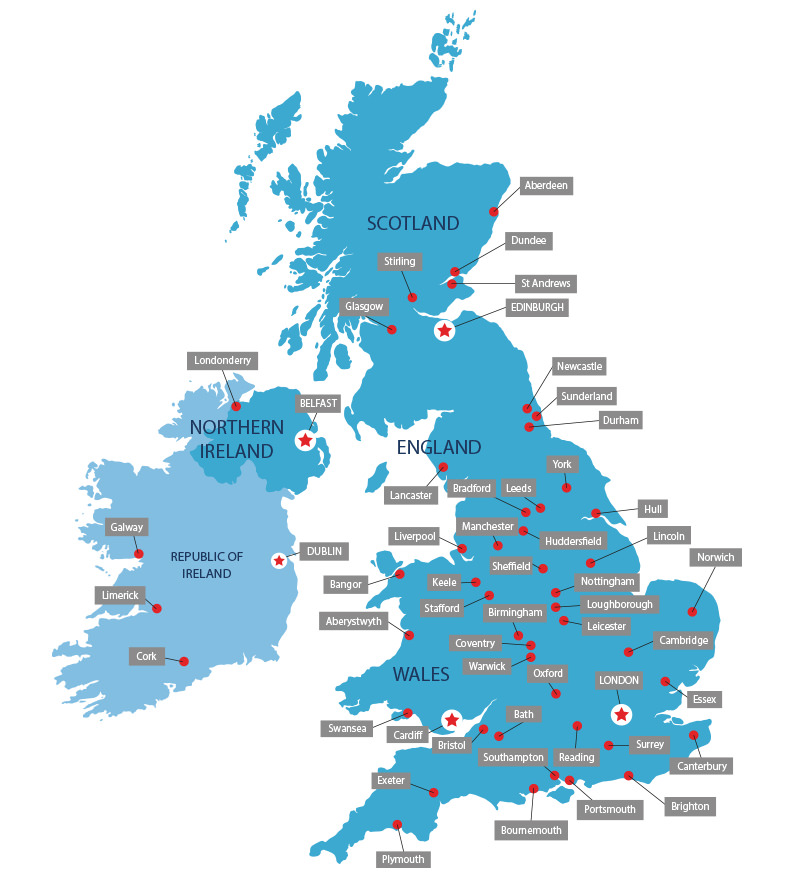
For domestic students, especially those from the lower-income backgrounds, this gap has become a significant narrower to their location choices. Cities with higher living costs, such as London, are becoming less attractive despite their institutional prestige or academic allure. Conversely, universities in smaller cities or regions with more affordable housing markets are likely to see an increase in attendance and demand for accommodation.
The Housing Crisis in Higher Education
The student housing market is facing a perfect storm of challenges. As Pankhurst observes:
“The loss of House in Multiple Occupation (HMO) homes has constricted supply further, driving up prices for existing accommodation and PBSA [Purpose-Built Student Accommodation] beds.”
This shortage is exacerbating the affordability crisis, with some universities struggling to secure sufficient housing for their students within the same city.
The decline in HMOs is partly driven by regulatory changes by the Government making HMOs less attractive to own, and the increasing preference of local authorities to repurpose such properties for family use. While this shift addresses one type of housing shortage, it has created a new void in the student accommodation sector.
Encouraging Development
To address this crisis, Pankhurst calls for greater encouragement of student accommodation development:
“We need to encourage the development of student accommodation and increase its provision.”
Policymakers, universities, and private developers must collaborate to ensure that new housing solutions meet the needs of forthcoming students.
Governments and local councils can play a pivotal role by streamlining planning processes and offering incentives for the development of affordable PBSA.
Institutions should explore partnerships with developers to create cost-effective housing options.
Developers must innovate to build accommodation that balances affordability with quality.
Looking Ahead
The rising cost of living and constrained housing supply are reshaping the higher education landscape in the UK. For many students, affordability is no longer a secondary concern but a primary factor in choosing where to study. The locations with lower cost of living are set to see an increase in student numbers comprised of those set on going to university but their choice of locations are curtailed by affordability.
Ultimately, the goal must be to ensure that all eligible students regardless of their financial background retain access to higher education with appropriate PBSA provision.
Cassidy Group Ltd
In accordance with the topic of this article, Cassidy Group Ltd have current investment opportunities in the rising demand locations of Nottingham, Sheffield, Bradford, and Wolverhampton. With some developments targeting a 2026 opening. We are always keen to discuss opportunities, investment, and JVs with other investment professionals, please contact us on:
Telephone: +44 (0)1926 431313
Email: info@cassidygroupltd.com
Website: www.cassidygroupltd.com
Image©studyin-uk